How to Design Outdoor Living Spaces
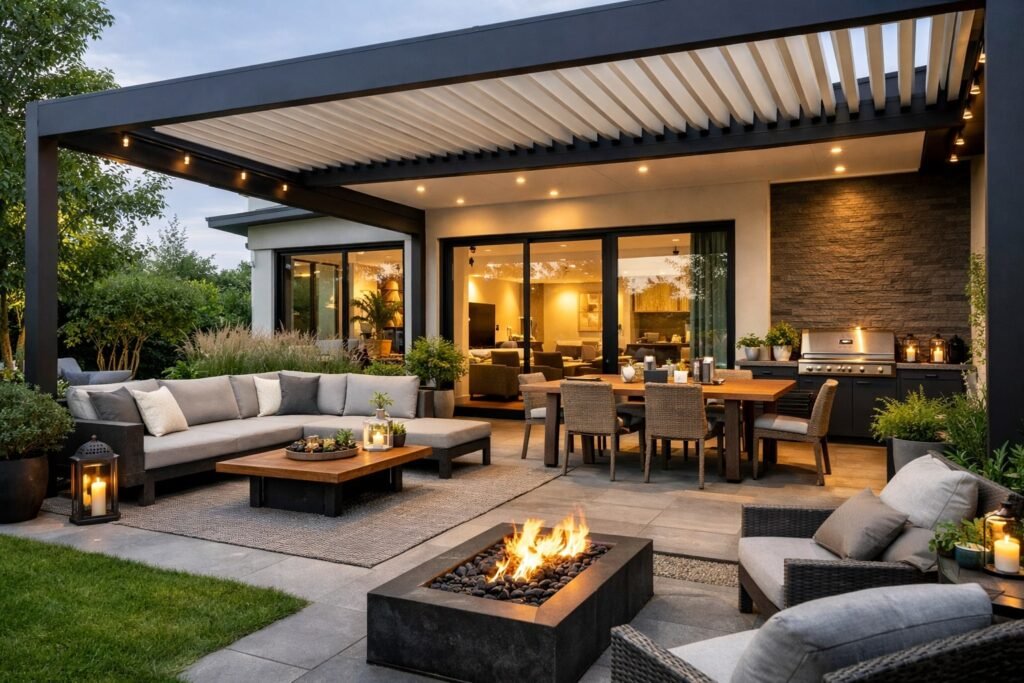
Designing functional and beautiful exterior areas has become a priority for modern homeowners. Understanding how to design outdoor living spaces allows you to extend your home, improve comfort, and create usable areas that feel like a natural continuation of your interior.
Outdoor living spaces are no longer just patios or gardens. They are fully planned environments designed for relaxation, dining, socialising, and even working from home. With the right design principles, any outdoor area can become a valuable and enjoyable part of daily life.
This guide explains how to design outdoor spaces step by step, focusing on layout, materials, comfort, and long-term usability.
What Are Outdoor Living Spaces?
Outdoor living spaces are defined areas outside the home designed for regular daily use. Unlike traditional gardens, these spaces are planned with furniture, lighting, weather protection, and functional zones.
Examples include:
- Covered patios
- Verandas and pergolas
- Outdoor dining areas
- Lounge zones with seating
- Garden rooms and semi-enclosed terraces
Understanding how to design outdoor starts with recognising their role as true living environments, not decorative extras.
Why Outdoor Living Spaces Matter in Modern Homes
Outdoor living spaces improve both lifestyle and property value. They offer flexible areas that adapt to different seasons and activities.
Key benefits include:
- Increased usable living area
- Better connection with nature
- Improved mental well-being
- Higher resale value
- More opportunities for social gatherings
Modern homes are increasingly designed with outdoor living in mind, making this concept essential rather than optional.
Core Principles of How to Design Outdoor Living Spaces
To design effective outdoor spaces, several fundamental principles must be respected.
see modern veranda design ideasFunctionality Comes First
Every outdoor space should have a clear purpose. Whether it is relaxation, dining, or entertaining, the layout must support that function.
Flow Between Indoor and Outdoor Areas
A well-designed outdoor living space feels connected to the interior. This is achieved through:
- Aligned floor levels
- Large openings or sliding doors
- Similar materials and colour palettes
Comfort and Usability – How to Design Outdoor Living Spaces
Comfort determines how often the space is used. Seating, shade, lighting, and protection from weather all play a role.
Simplicity and Balance
Cluttered outdoor spaces quickly lose appeal. Clean layouts and thoughtful zoning maintain clarity and elegance.
Planning the Layout of How to Design Outdoor Living Spaces
Layout planning is one of the most important steps when learning how to design outdoor spaces.
Define Functional Zones
Outdoor areas should be divided into zones, similar to interior spaces.
Common zones include:
- Seating and relaxation
- Dining area
- Cooking or barbecue space
- Circulation paths
Each zone should feel distinct while remaining visually connected.
Consider Orientation and Sun Exposure
Sun exposure affects comfort throughout the day. Observe how sunlight moves across the space.
Key considerations:
- Morning sun for breakfast areas
- Afternoon shade for lounging
- Evening light for dining and socialising
Proper orientation improves usability across seasons.
Circulation and Accessibility
Movement through the space should feel natural. Avoid placing furniture in walking paths or creating obstacles.
Clear circulation improves both safety and visual harmony.
Choosing the Right Materials for How to Design Outdoor Living Spaces
Materials define durability, aesthetics, and maintenance requirements.
Flooring Materials
Popular flooring options include:
- Natural stone
- Porcelain tiles
- Composite decking
- Treated wood
Choose materials that resist weather, moisture, and temperature changes.
Structural Materials – How to Design Outdoor Living Spaces
For pergolas, verandas, and coverings, common materials include:
- Aluminium for durability and minimal maintenance
- Wood for warmth and natural appeal
- Steel for modern, industrial aesthetics
Material choice should reflect both climate and design style.
Finishes and Textures
Combining textures adds depth to outdoor spaces. Balance smooth surfaces with natural finishes to avoid a sterile look.
Weather Protection as a Design Element
Weather protection transforms outdoor spaces into year-round environments.
Key solutions include:
- Pergolas with adjustable roofs
- Fixed or retractable verandas
- Sun shades and screens
- Wind protection panels
Planning weather protection early ensures seamless integration into the design.
see glass roof outdoor living solutionsHow to Design Outdoor Living Spaces for Small Areas
Small spaces require smart planning. Even compact patios or balconies can become functional outdoor living areas.
see outdoor living ideas for small gardensUse Multi-Functional Furniture
Choose furniture that serves multiple purposes, such as benches with storage or extendable tables.
Maximise Vertical Space
Vertical elements like wall planters, shelves, or hanging lights increase functionality without reducing floor space.
Keep the Design Light
Light colours and minimal furniture help small outdoor spaces feel larger and more open.
Lighting Design for Outdoor Living Spaces
Lighting determines how usable an outdoor space is after sunset.
Ambient Lighting – How to Design Outdoor Living Spaces
Soft lighting creates atmosphere and comfort. Use:
- String lights
- Wall-mounted fixtures
- Indirect LED lighting
Functional Lighting
Functional lighting ensures safety and usability. Focus on:
- Steps and pathways
- Dining and cooking areas
Accent Lighting
Accent lights highlight architectural features, plants, or textures, adding visual interest.
Outdoor Furniture Selection – How to Design Outdoor Living Spaces
Furniture should support both comfort and durability.
Materials That Work Best
Outdoor furniture materials include:
- Aluminium frames
- Weather-resistant wood
- Synthetic wicker
- Outdoor-rated fabrics
Avoid indoor furniture that cannot handle moisture or temperature changes.
Comfort and Proportion
Furniture size should match the scale of the space. Oversized furniture overwhelms small areas, while undersized pieces feel uncomfortable in large spaces.
Integrating Nature Into Outdoor Living Spaces
Nature is a defining element of outdoor living.
Plants and Greenery
Plants soften architectural lines and improve ambiance. Use:
- Potted plants
- Raised beds
- Vertical gardens
Natural Transitions
Blend hard surfaces with greenery to create smooth transitions between built and natural elements.
Creating Privacy Without Closing the Space – How to Design Outdoor Living Spaces
Privacy is essential for comfort but should not block light or airflow.
Effective solutions include:
- Slatted screens
- Frosted glass panels
- Tall plants and hedges
- Decorative partitions
These elements maintain openness while defining boundaries.
Seasonal Comfort and Year-Round Use
Designing for all seasons increases the value of outdoor living spaces.
Heating Solutions
Outdoor heaters, fire pits, and infrared systems extend usability during cooler months.
Shade and Cooling
Shade structures and breathable fabrics reduce heat during summer.
Common Mistakes in How to Design Outdoor Living Spaces
Avoiding mistakes is key when learning how to design outdoor spaces effectively.
Poor Layout Planning
Ignoring circulation or zoning results in uncomfortable spaces.
Underestimating Weather Impact
Lack of shade or protection limits usability.
Overcrowding
Too much furniture reduces comfort and flow.
Ignoring Maintenance
Choosing materials that require constant upkeep leads to frustration over time.
How to Design Outdoor Living Spaces – Increase Property Value
Well-designed outdoor living areas are highly attractive to buyers.
They offer:
- Additional usable square meters
- Visual appeal
- Lifestyle enhancement
Properties with functional outdoor spaces often sell faster and at higher prices.
FAQ – How to Design Outdoor Living Spaces
The first step is defining how the space will be used. Clear purpose guides layout, materials, and furniture choices.
Outdoor living spaces can be created in both small and large areas. Smart zoning allows even compact spaces to be functional.
Aluminium, treated wood, stone, and outdoor-rated fabrics offer durability and low maintenance.
Yes. With weather protection, heating, and proper materials, outdoor living spaces can be enjoyed year-round.
Yes. They increase usability, comfort, and overall property appeal, often boosting resale value.
⭐ Featured Businesses in

Alexandre Canopy & Verandas
Alexandre Canopy & Verandas is a specialist provider of premium canopy verandas, pergolas, and glass outdoor…
View profile →
Printelina.com
Printelina is a creative digital brand focused on visual storytelling through motivational art, design, and print-ready…
View profile →
Renovari.Net
Renovari.net is a professional online platform dedicated to home renovations and construction services. We connect homeowners…
View profile →